A Close Look at the Breville Barista Touch Impress
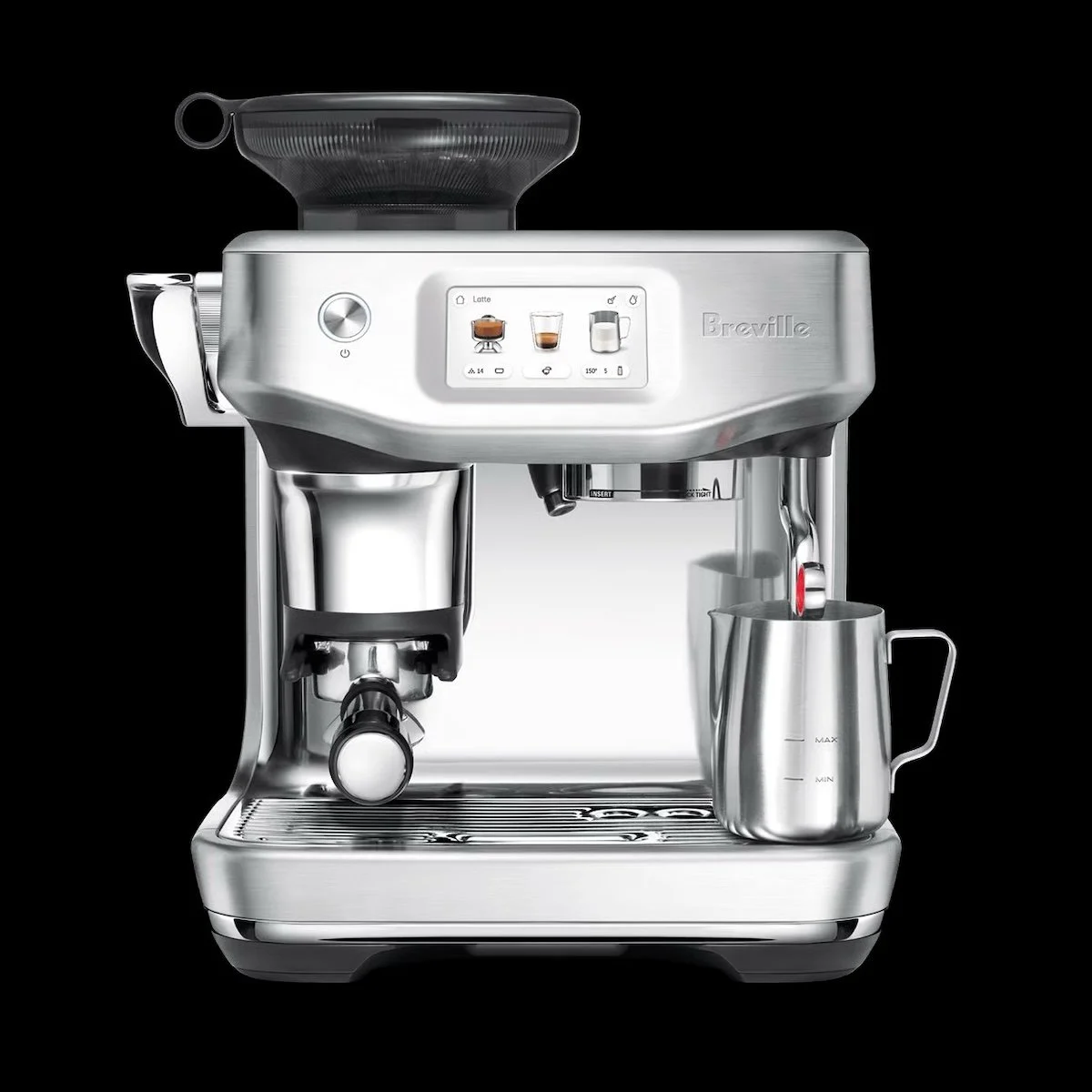
Product: Breville Barista Touch Impress
How often I use it: Almost every day for the past two years.
Why I chose this machine
I wanted an espresso machine so I could make lattes and americanos at home and stop spending so much money at coffee shops. But once I started researching what was actually involved, the learning curve felt overwhelming. Dialing in beans, tamping consistently, managing shot pressure, steaming milk correctly—it felt like a lot of separate skills to learn all at once.
I didn’t want to buy a bunch of equipment only to give up on it later. At the same time, I wasn’t interested in a fully automatic machine. The ones I’d tried never produced coffee that would make me choose a homemade latte over going to a café.
What I wanted was something in between: a machine that would assist with certain parts of the process, completely handle others, and still let me feel involved. With that in mind, I landed on the Breville Barista Touch Impress.
What it does well
A good balance of control and automation without feeling overwhelming
Consistent espresso results
Beans are freshly ground each time
If you regularly use the same beans, the grind size settings rarely need to change—when they do need adjusting, the machine guides you through it
Guided dosing and tamping is easy, and the tamping lever is genuinely satisfying to use
Automatic milk steaming and frothing
Quickly provides hot water for americanos or tea
Daily use experience
The machine is very easy to use even when I’m tired. At this point, it’s muscle memory for me.
Time commitment
Americano: ~3 minutes
Latte: ~5 minutes
Prerequisites
Machine is set up and dialed in
Water tank is filled
Bean hopper is filled
My typical process for making a drink
Select the drink on the touchscreen (I usually make an americano or latte)
Insert the portafilter in the grinder area and select grind
Tamp using the lever (I press twice for a smoother puck)
Move the portafilter to the group head and select to extract the shot
For an americano: hot water follows automatically
For a latte:
Fill the milk jug and place it so the steam wand is inside
Steam automatically or manually
Remove the jug, wipe the wand, and return it so the machine can auto‑purge
Pour your latte art (even if it’s just a blob of froth)
Cleanup (Sometimes I do these later if I’m in a rush)
Dump out the puck
Wash the portafilter
Wipe down any splash residue (especially after the steam wand auto-purges)
Coffee quality
The espresso itself is excellent. It’s a real espresso shot with crema. The flavor and aroma depend heavily on the beans you use.
The milk texture is consistently good. Higher‑fat milks work better for latte art. I originally wanted to learn how to pour fancy latte art, but since I usually use low‑fat milk and don’t want to waste time or milk practicing, I haven’t.
Things to be aware of
Making multiple drinks in a row takes time.
The grinder is loud, which is not ideal during migraines or if someone is napping nearby.
Oily beans can get stuck in the hopper, which triggers a “fill hopper” warning. You then have to stir or poke the beans so they continue grinding, which is frustrating and time consuming. I just avoid oily beans in this machine.
If you’re using a mug that is taller than 4.5 inches, it will not fit under the portafilter for espresso to extract directly into. You will need to use an espresso cup then transfer the espresso into the taller mug. Most of my mugs fit perfectly, but a few are too tall.
When making tea, the amount of hot water that comes out is slightly more than 16oz, which overflows most mugs if you don’t monitor and stop it in time.
Features I don’t use
I don’t use the custom touchscreen drink programming or saved user profiles. I tend to make the same drinks every time, and the default options cover what I need. If you enjoy fine‑tuning drink settings or switching between multiple users, this feature may matter more. For me, it hasn’t been necessary.
Cleaning and maintenance schedule
Rinse or wash portafilter after each use
Wipe down steam wand after each use
Empty drip tray every 1-3 days depending on usage
It has a floating alert indicator for when it’s getting full
Important note: old coffee residue attracts fruit flies. Wash the drip tray regularly.
Wipe down the whole machine as needed
Clean group head when prompted (every 1-2 months)
Descale when prompted (every 2-3 months)
Replace water filter when prompted (~every 3 months)
You could clean more often, but realistically I clean when alerts appear and only do extra cleaning if the espresso tastes off.
Who this machine is actually for
People who enjoy espresso
People who want a lot of guidance but not full automation
People who are okay with regular cleaning and maintenance
When I reach for it
Once or twice daily for myself (I work from home)
When I’m making coffee for only one additional person
When I’m making coffee for guests who want espresso drinks
Conclusion
I love espresso drinks, so this is the machine that I use the most. It requires upkeep, but the payoff is worth it to me.
This post is part of my Coffee Maker Mini Series, where I write about the coffee machines I use regularly and why I reach for each one.
Where to Buy
Tools & supplies I use
Some links in this post are affiliate links. If you use them, I may earn a small commission at no extra cost to you. Thank you for supporting the notebook.