A Light In Dark Times
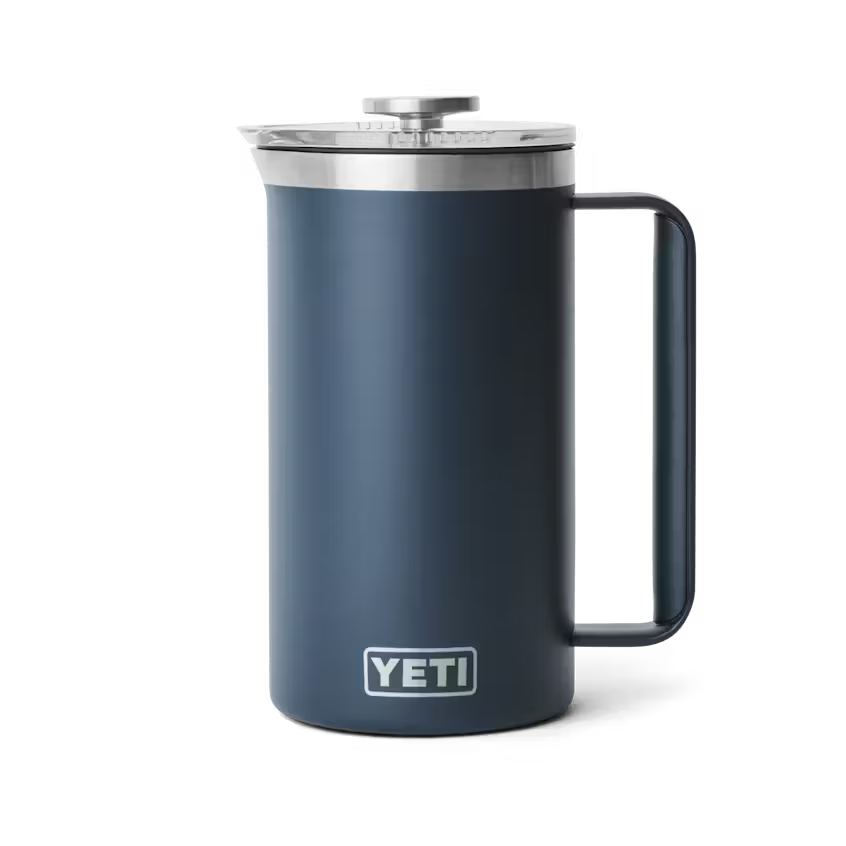
Product: YETI French Press (34oz)
How often I use it: 1–3 times a week since December 2025.
Why I chose this machine
I drink coffee twice a day, and I get migraines if I miss one (yes, I’m addicted). One evening, the power went out when I was already running late for my second cup. All of my coffee machines at the time required electricity, so I had to improvise—I boiled water in a pot, crushed beans with a rolling pin, and used a mesh strainer to brew the grounds directly in boiling water. Looking back, I probably should have just driven to a coffee shop.
After that, I started preparing for how I’d make coffee during a long power outage. The idea of drinking instant coffee for days didn’t appeal to me, and I wanted a backup that would still make good coffee. The Yeti French Press, paired with a non‑electric kettle, is my solution. It gives me a reliable way to make coffee without power.
Now that I have it, I actually use it regularly, even when the power is on.
What it does well
Does not require electricity
Silent (if you start with pre‑ground coffee)
Brews enough coffee for 2–3 people (maybe 4 people if they’re ok with smaller cups)
Fuller, better flavor than standard drip
Grounds stay separated well; coffee can sit for hours after pressing without tasting over‑extracted
Retains heat longer than I expected
Takes up less space than a full coffee machine
User experience
I mostly use it when I’m making coffee for two or three people, and I start with pre-ground coffee so I don’t need to worry about grinding the beans to the correct size.
My typical process
Boil water, then let it cool slightly
Add ~45g coffee grounds (about 11 tablespoons) to the press
Pour enough water to barely cover the grounds and allow it to bloom for ~30 seconds
Fill with water to the line and place the lid on top and twist it to lock in place
Wait 4-5 minutes
Press the plunger slowly, pour, enjoy
The process is straightforward, but it does require attention. You may have to play around with the exact measurements and timing to find what works best for the beans you’re using.
Coffee quality
The coffee is good. It’s stronger than drip coffee and has a fuller flavor. It’s not espresso, but it’s closer than I expected. With really good beans, it is actually better than a decent espresso.
Heat retention over time (approx.)
First hour: hot
1–2.5 hours: warm
2.5–4 hours: lukewarm
4+ hours: room temperature
Things to be aware of
This doesn’t require much physical effort, but it does require you to be present. Measurements, grind size, and timing matter.
If the water is too hot when you put the lid on, pressure builds up inside and pressing down the plunger becomes extremely difficult. Letting the water cool for a minute or two after boiling before adding it to the press makes a noticeable difference.
Pressing the plunger too quickly can cause coffee to shoot out of the pour spout. Press slowly and carefully.
The pour spout does not have a cover, which means it isn’t leak‑proof and allows a small amount of heat and steam to escape. I would love to see Yeti make a version with a magnetic spout closure, similar to the mechanism they use on some of their other lids.
Cleaning
Cleanup is simple.
Dump out the grounds.
Wash the French press with warm, soapy water. (The plunger unscrews, which makes it easy to clean the filter screen thoroughly.)
It is dishwasher‑safe, but I wash it by hand. It’s easy, and it keeps the press clean, safe, and ready to use at all times.
Who this machine is actually for
People who like French press coffee
People who want a low‑maintenance French press that lets you to pour some and leave the rest without it over-extracting or cooling off
People who want a way to make good coffee without electricity
People who don’t want a large coffee machine permanently on the counter
When I reach for it
When I’m making coffee for 2–3 people.
When the power is out (it hasn’t happened yet, but I’m prepared).
On quiet mornings, even though it makes more coffee than I should reasonably drink in a day.
When I want to brew 100% Kona coffee (since the beans don’t work well in my espresso machine).
When I’m making iced coffee for a few people and remember to brew it the day before so it can chill overnight.
Conclusion
This is how I’ll regularly enjoy 100% Kona coffee, and it will be my shining beacon of hope in the next power outage.

This post is part of my Coffee Maker Mini Series, where I write about the coffee machines I use regularly and why I reach for each one.
Where to Buy
Tools & supplies I use
Coffee beans (order “Coarse Grind/French Press” if you don’t want to grind them yourself):
Rincon Red Blend and Kona Blend are pretty good in the French press
Offers free shipping with a minimum spend, which is rare coming from Hawaii
Red Bourbon in the French press comes out better than my espresso shots
Le Creuset Demi Kettle (perfect amount of water for the 34oz Yeti French Press)
Some links in this post are affiliate links. If you use them, I may earn a small commission at no extra cost to you. Thank you for supporting the notebook.